Wood waste is more than just an inconvenience. For growing joinery and furniture workshops, it’s a hidden cost and a missed opportunity. Rethinking how you handle it could be the key to building a production process that scales.
If you’re running a growing joinery or furniture workshop, you’ll recognise this picture: The orders are coming in. You’re focused on the product – the finished piece, customer satisfaction, the job well done. And for the most part, it works.
But once you hit that 3–7 year growth phase, something else starts to creep in. Things start to feel… tight. Not just in terms of space – but in time, workflow and margin.
The Quiet Pressure Points Of A Growing Workshop
You’re making more – but also managing more. Your team’s expanded. You’ve tightened your quoting. Orders are up, but so are production demands and material spend.
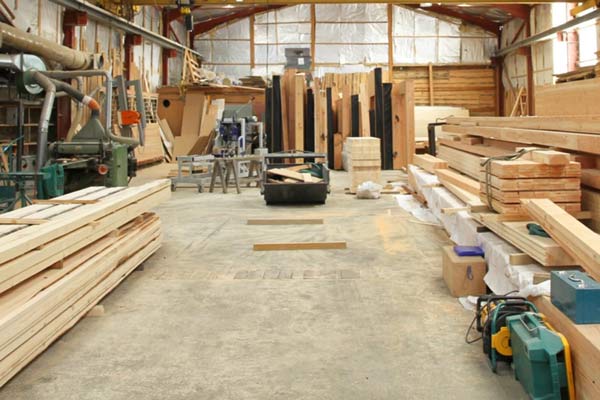
There’s more material moving through the workshop. Less room. More pressure on your team to keep to timescales. Cash flow gets harder to manage. It’s around this point that reality bites: you’re working harder just to cover the rising costs.
It’s around this point that reality bites: you’re working harder just to cover the rising costs.
The only way forward? Efficiency.
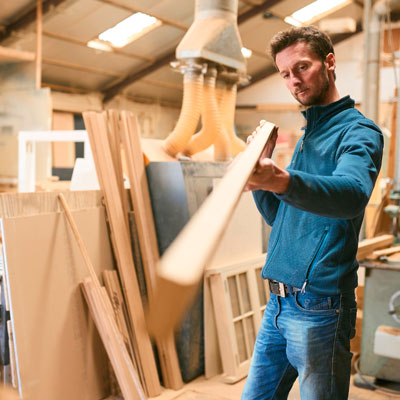
Growth brings orders – plus pressure.
Wood Waste: The Overlooked Efficiency Killer
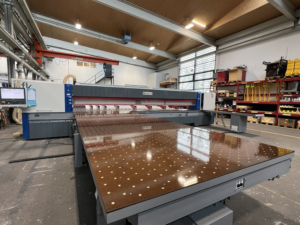
New staff, a larger workshop, a new beam saw or edgebander – they’re all part of the conversation. But a wood waste shredder? Rarely.
Most traditional workshops fall into a familiar habit – searching for “wood waste skip near me” and treating the increasing off-cuts as just another logistical job to handle.
And that’s the oversight: efficiency in woodworking doesn’t usually come from one big move. It comes from stepping back and looking at the whole process – from what comes in to what gets left behind. And waste management is the one part of the production line that’s often overlooked.
But as production grows, it’s there – quietly making a dent in your space, your time, your team’s productivity, and your margins.
That’s what we call a wasted opportunity.
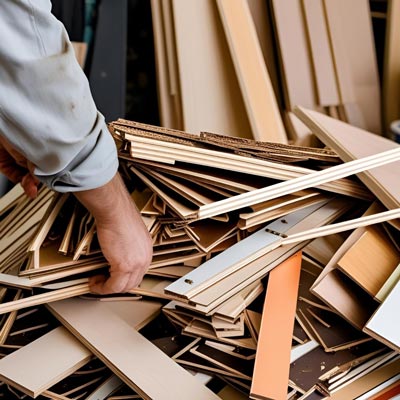
Off-cuts quickly reduce workshop space
Wood Waste: From Practical to Problematic
Let’s be clear – most small workshops aren’t ignoring timber waste. In fact, many handle it efficiently and resourcefully. Like larger manufacturers, they’ve developed internal systems to reduce waste and manage costs.
And in a sector where sustainability is becoming increasingly important, it’s often the smallest and largest businesses that lead the way – one through flexibility, the other through scale.
Like many small operations, you’ve likely created an informal but effective cycle: selling off-cuts for firewood, donating to local re-use projects, and the occasional skip hire seems like no big deal.
It’s lean, practical, and responsible – a smart response to the scale you’re working at.
The Efficiency Gap: It’s Not the Machines
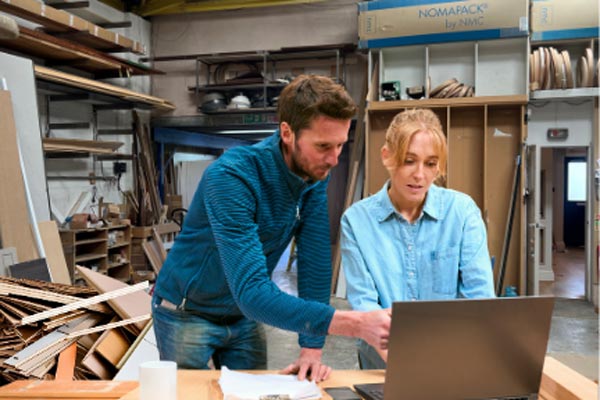

Managing waste starts within the workflow
But here’s the real difference: it’s where wood waste fits in the production process. In larger operations, waste systems are designed to flex with production.
In smaller workshops, those informal setups begin to stretch as output increases.
Let’s say you’re a typical kitchen or door manufacturer. You’re cutting multiple components from sheets of MDF, decorative panels, or timber – and you already understand the value of reducing waste. That’s the whole point of optimising your cuts: making the most of every sheet, limiting off-cuts and managing spend.
But even small amounts of waste take up time and space. They disrupt flow. And they still rely on someone handling material that’s already served its purpose.
When Off-cuts Cost Time, Space & Margin
As your business grows, so does your material throughput – more MDF, more panel boards, more timber, often in bulk.
And no matter how precise you are before you cut, the volume of off-cuts after it keeps rising. At that point, wood waste stops being a by-product – and becomes a regular feature of your workflow.
Off-cuts pile up. Floor space shrinks. Workflow gets disrupted. More time is spent lifting, shifting, and stacking. Skips fill faster. Collections become more frequent – and more expensive.
And that’s the catch: those early, efficient systems weren’t built to scale. They’re reactive, not strategic.
Because in the early years, it makes sense. Waste feels manageable – something to clear, not something that affects workflow, margins, or growth.
Even as the business grows and offcuts increase, the impact rarely feels dramatic. It hasn’t held you back before – so it’s rarely re-evaluated. And as volume increases, the default response is usually the same: more skips.
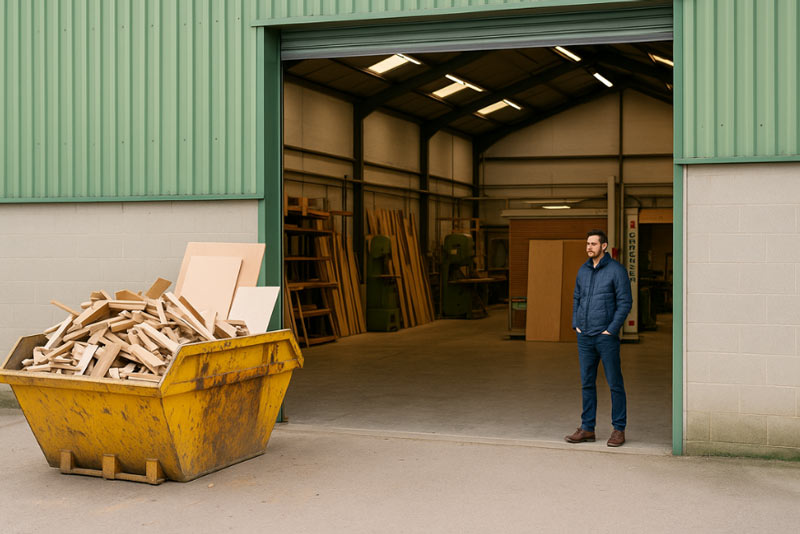
Across UK workshops – especially in that 3–7-year growth window – we see the same pattern: all the focus goes into improving output, while wood waste management limps along in the background.
And that’s the issue. Once regular skip collections become part of the routine, it’s time to re-think.
Because what began as a smart, practical way to handle end-of-line by-products has quietly become a hidden production inefficiency – costing you time, space, energy, and money.
Wood Waste: From Offcuts to Opportunity
In larger manufacturing environments – whether that’s kitchen production, commercial joinery, or interior fit-out – waste management isn’t an afterthought. It’s part of the production strategy, not something bolted on at the end.
And that’s because inefficient waste handling affects production: it eats into time, disrupts workflow, and adds to your costs.
That’s why these businesses invest in systems that actively reduce, repurpose, or remove waste as part of the workflow – not after it. Think: industrial shredders to reduce volume and streamline storage. Silo systems for chip extraction. Biomass boilers turning off-cuts into heat.
Efficient waste handling is built in – because it has to be. It keeps operations lean, compliant, sustainable, and cost-effective.
Larger manufacturers understand that waste management isn’t a clean-up job – it’s a cost centre. Efficiency is the difference between profit and loss.
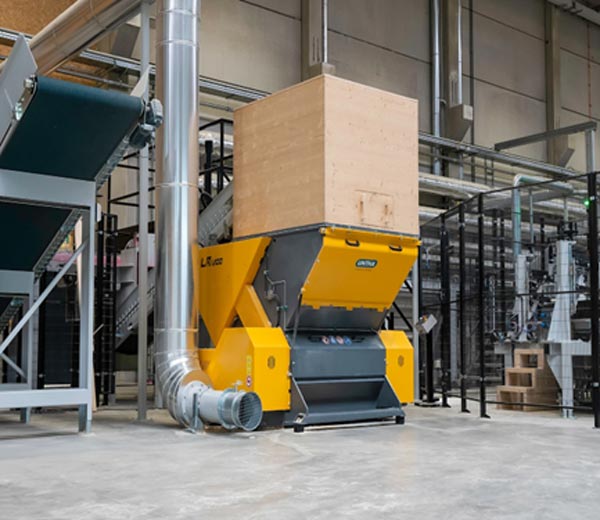
Smarter production with integrated wood shredding
If you’re investing at the start of the production line but losing it at the end, growth becomes hard to sustain. Every process is looked at through the lens of efficiency.
Improving how waste is managed as part of production isn’t just practical – it’s strategic.
The Wood Waste Gap: When Efficiency Falters
In large-scale operations, waste handling is part of the production strategy – streamlined, integrated, and built to flex with output. But in growing workshops, it’s often stuck in reactive mode. Not because they don’t care. And not because they’re doing anything wrong.
But somewhere between being a small business and becoming a large manufacturer, wood waste falls into a grey area — part of the job, but not treated as part of the process.
The systems that worked in the early years – managing off-cuts, booking the occasional skip – still appear to do the job. But they don’t scale with you.
Gradually, they become less efficient. Off-cuts pile up. Floor space shrinks. More time is spent shifting material, and skips fill faster. Even when costs rise, it rarely gets questioned – because more waste collections are simply accepted as the cost of doing business.
But this is reactive waste handling – and behind the scenes, increased volume becomes a growing drain on time, space, cash flow, and team capacity.
Here’s the catch: By the time efficiency becomes critical, waste isn’t the first place you look. Most businesses focus investment on machinery, premises, or headcount. But if production is increasing, so is waste – and the more you make, the more vital it becomes to reduce the volume you’re paying to remove.
Rising Skip Costs: Time to Rethink Waste
Think of it like this: Let’s say you’re using one medium 6-yard skip every 4 weeks at £240 per hire – that’s already £3,120 a year.
As production ramps up, you’re booking a 12-yard skip every two weeks at £350 – taking that annual spend to £9,100.
Over five years, that’s around £36,500 on skip hire alone.
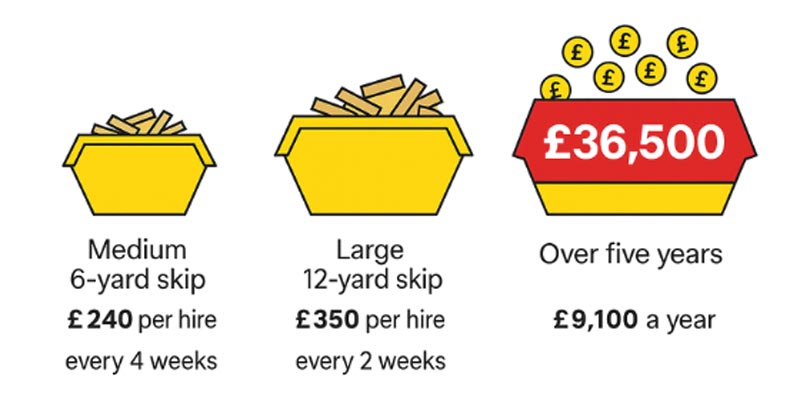
And that’s before you count the real operational impact: the time your team spends handling waste, the space it consumes, and the disruption to flow and productivity.
It’s easy to absorb these costs quietly. But over time, they chip away at your margins – reducing your ability to reinvest in machinery and improvements.
The longer waste is seen as just another overhead, the harder it becomes to turn it into an opportunity.
Turning Wood Waste into Growth
You don’t need to be a large-scale manufacturer to think strategically about waste. In fact, it’s exactly at this middle stage – when off-cuts are getting in the way and annual disposal costs are tipping into six figures – that rethinking waste handling can unlock real gains. By treating waste as part of the production process, you make a tangible impact on efficiency. Simply put: the less you spend on getting rid of waste, the more you can reinvest in production.
It starts with viewing wood waste management as a key operational process – one that’s managed, optimised, and designed to scale with your business.
Because this isn’t just about cutting volume. It’s about building a production model that works in line with demand – where every part of the process, including waste, contributes to smooth, sustainable growth.
That shift in thinking opens the door to:
- Reducing waste volume – lowering disposal costs
- Reclaiming floor space – improving flow and capacity
- Cutting wasted time – by streamlining material handling
- Supporting sustainability – reducing carbon emissions and offsetting energy use with biomass
The result? Lower unnecessary costs. Smoother operations and more freedom to invest in the things that move your business forward – new machinery, smarter software, or simply giving your team the space to do what they do best.
Because when you start treating wood waste as part of the process – not just something to manage – it stops being a problem and becomes a real opportunity.
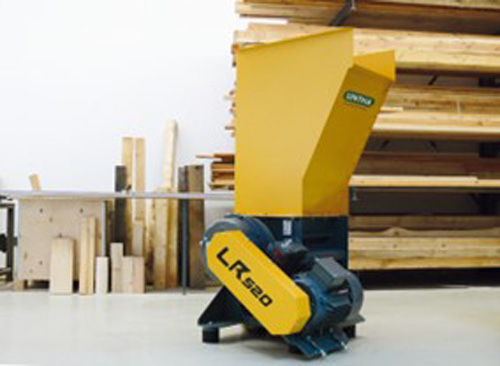
Wood shredding: part of the process, not the problem
That’s not just smart waste handling. That’s smart growth.
From growing workshops to large-scale producers, many UK woodworking and manufacturing businesses are rethinking how wood waste fits into their production strategy. Whether it’s optimising space, improving workflow, or planning for the next stage of growth, the right advice, and the right machinery – makes all the difference.
IMA Schelling UK supports UK woodworking businesses turn wood waste into workflow. We offer tailored advice, high-performance UNTHA shredders, and installation support as part of a smarter, joined-up approach to production.